Self-Care & Hygiene for Autism
Building Independence in Personal Care Routines
Self-care routines are an important part of growing independence, confidence, and personal comfort. For some older children, teens, and young adults with an Autism diagnosis, learning personal care skills may require extra time, support, and a teaching approach that fits their individual needs.
Tasks like brushing teeth, showering, managing hair, using deodorant, dressing for the weather, or recognizing when their body needs care can involve many steps that are easy for others to overlook. Sensory differences, executive functioning challenges, difficulty recognizing body signals, or not knowing where to begin can make these routines feel overwhelming.
The goal of self-care is not perfection. The goal is helping each person understand their own needs, build confidence, and become as independent as possible in a way that respects their comfort, preferences, and abilities.

Face Washing
Learning when and how to wash your face can help teens understand personal care routines and build confidence in caring for their own bodies.

Showering & Bathing
Creating predictable routines and using visual supports can help make bathing routines feel more manageable.

Oral Hygiene
Brushing, flossing, and dental care are skills that can be broken into smaller steps to make routines easier to understand and practice.
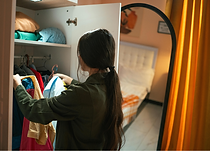
Dressing & Personal Care
Learning how to choose clothing, care for personal items, and prepare for different situations supports independence.

Hair Care
Hair brushing, washing, and grooming skills can be taught gradually while respecting sensory preferences and comfort.

Health & Personal Needs
Understanding body signals and caring for personal needs helps young people advocate for themselves and make choices about their own care.
Teaching Self-Care Skills
Learning personal care routines can be challenging for some children and teens with an Autism diagnosis because these skills involve many different pieces: remembering steps, understanding when something needs to be done, tolerating different sensations, and knowing what products to use.
Instead of expecting a young person to learn an entire routine at once, breaking skills into smaller, manageable steps can make them easier to understand and practice.
Some strategies that may help include:
-
Break routines into smaller steps. A task like brushing teeth includes gathering supplies, putting toothpaste on the brush, brushing different areas, rinsing, and cleaning up.
-
Use visual supports. Pictures, checklists, and step-by-step guides can help make routines more predictable.
-
Practice during calm moments. Teaching a skill works best when there is no pressure to complete the task immediately.
-
Create predictable routines. Connecting hygiene tasks to existing routines, such as brushing teeth after breakfast or before bed, can make them easier to remember.
-
Offer choices when possible. Allowing choices such as a preferred toothbrush, soap scent, hairstyle, or clothing option can help increase comfort and participation. For example, my own son has never liked mint toothpaste. Simply finding a toothpaste flavor he enjoys made brushing his teeth much less of a struggle.
-
Respect sensory differences. Some individuals may have preferences around water temperature, textures, sounds, smells, or grooming tools. Finding comfortable options can make routines easier to maintain.
Every person learns differently. The goal is not perfection, it is helping each individual develop skills, confidence, and independence.
Self-Care & Hygiene Printable Resources
To support families working on personal care skills, I created two Self-Care & Hygiene resources that can be used together or separately.
Self-Care Hygiene & Personal Care Kit
The Self-Care Hygiene & Personal Care Kit provides detailed information about common hygiene and personal care routines. Each topic explains what the skill is, when it may be needed, steps for completing the routine, and signs that a person may need to complete that task.
This resource can help caregivers teach skills, start conversations, and create personalized routines based on each individual's needs.
Self-Care & Hygiene Visual Matching Cards
The Self-Care & Hygiene Visual Matching Cards provide a more visual way to practice recognizing personal care needs and understanding what supplies are needed.
The cards include:
-
What I Notice cards to help identify when a self-care task may be needed
-
What I Need cards to identify supplies and tools
-
Steps cards to guide the routine
Visual supports can help make self-care routines more concrete, predictable, and easier to follow.
When used together, these resources give families both the “why” behind a routine and the visual support needed to practice it.