
Sensory Tools & Supports
Many children benefit from tools that help manage emotions, sensory input, and daily transitions. These supports can make overwhelming moments feel more manageable and help kids feel safe, calm, and in control.
Every child is different, so what works for one child may not work for another. Below are some sensory tools that many parents and caregivers have found helpful, both at home and on the go.

Fidgets Cubes & Handheld Tools
Small tools that help keep hands busy and bodies regulated
Fidget cubes and handheld tools can help children release nervous energy, stay focused, or calm their bodies during stressful moments. These tools are often helpful during schoolwork, car rides, appointments, or transitions.
Common Options:
-
Fidget spinners
-
Stress balls
-
Pop-it toys
-
Tangle toys
-
Chewable jewelry
-
Therapy putty
Parent Tip:
Start with one simple tool and observe how your child responds. Too many choices at once can feel overwhelming.
One option is the PILPOC Fube Fidget Cube, available on Amazon.
This multi-sided fidget cube includes several small tactile features such as buttons, switches, and rolling elements. Some sides are designed to be quiet, making them suitable for classroom or public use.
Many children and teens find that having access to a small handheld fidget can help improve focus and reduce feelings of restlessness.
Helpful For:
-
Classroom focus
-
Homework or study time
-
Waiting periods
-
Travel
-
Stressful or overwhelming situations
DIY Rice Sock Fidget
Some simple sensory tools can be created at home using everyday materials.
Materials:
-
Clean sock
-
Dry rice
-
Rubber band or knot
Fill the sock with rice until it feels comfortably full but still flexible. Tie the end securely to create a soft, squeezable fidget.
Safety Tip: Check regularly for wear or leaks and replace if damaged.
As an Amazon Associate, I earn from qualifying purchases.
Weighted & Cozy Items
Tools that provide deep pressure and comfort
Deep pressure can help some children feel calmer and more grounded. These tools are often helpful during rest time, homework, or periods of anxiety.
Common Options:
-
Weighted blankets
-
Lap pads
-
Compression vests
-
Weighted stuffed animals
-
Body socks
-2025-12.jpg)
Parent Tip:
Always choose weighted items that match your child's size and follow safety recommendations.
Free or DIY Option
DIY Lap Pad
Fill a zippered pouch or small pillow with:
-
Rice
-
Beans
-
Plastic pellets
This can create a simple weighted lap pad for homework or quiet time.

Auditory Supports
Tools that help manage sound sensitivity
Some children are sensitive to noise or become overwhelmed in busy environments. Auditory supports can reduce stress, improve comfort, and support focus.
Common Options:
-
Noise-reducing headphones or earmuffs
-
Ear defenders
-
White noise machines
-
Soft background music or sound machines
Passive Noise-Reducing Headphone and Earmuffs
When choosing noise-reducing headphones, it can be helpful to look for a few key features:
-
Adjustable fit for growing children and teens
-
Comfortable, padded ear cups for longer wear
-
Noise Reduction Rating (NRR) around 22–30 dB for everyday environments
-
Lightweight design for school, travel, or public settings
-
Simple use (no setup required for passive models)
Every child is different, so the right level of sound reduction may vary depending on their needs and environment.
These tools are intended to support comfort and sensory regulation. They should still allow awareness of important sounds such as instructions from caregivers or safety alerts.
One option is the ProCase Noise Reduction Ear Muffs NRR 28dB, available on Amazon.
These adjustable noise-reducing earmuffs are designed to help lower background noise in busy environments without using electronics or batteries. They are lightweight, simple to use, and adjustable to fit a wide range of ages, including older children and teens.
The higher noise reduction rating can be helpful in environments such as school assemblies, cafeterias, sporting events, or other loud public settings.
Helpful For:
-
School assemblies
-
Cafeterias
-
Fire drills
-
Shopping trips
-
Travel or public outings
Parent Tip:
Keep headphones accessible in backpacks or cars for unexpected noisy environments.
As an Amazon Associate, I earn from qualifying purchases.
Visual Supports
Tools that help children understand time, expectations, and emotions
Visual tools are incredibly helpful for children who benefit from clear structure and predictability.
Common Options:
-
Visual timers
-
Emotion cards
-
First-Then boards
-
Daily schedules
-
Calm-down charts
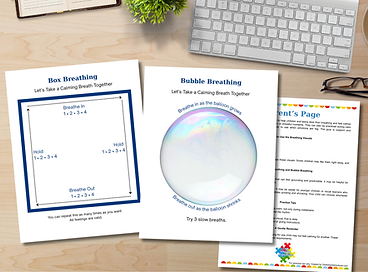
Parent Tip:
Visual supports are especially helpful during transitions, which can be challenging for many children.
Check out our store to download free Calm Breathing Visuals.
How to Choose the Right Sensory Tool
Choosing sensory tools may feel overwhelming at first, especially with so many options available. There is no single “correct” tool, what matters most is how your child responds and what helps them feel more regulated, safe, and comfortable. A helpful approach is to think of sensory tools as supports to explore, not solutions to force. It’s okay to try different options and adjust over time as your child’s needs change.
Before choosing a tool, take note of what your child is experiencing in different situations. You might ask yourself:
-
Do they seek movement, pressure, or touch?
-
Are they sensitive to noise, light, or busy environments?
-
Do they become overwhelmed during transitions or changes in routine?
-
Do they calm more easily with hands-on or visual activities?
These patterns can help guide you toward tools that are more likely to be helpful.
Important Note for Parents
Sensory tools are supports, not solutions on their own. The goal is to help children learn self-regulation skills over time while providing comfort and structure along the way. It’s okay to try different tools until you find what works best for your child.